
Things to Do in Kowloon in May
May weather, activities, events & insider tips
Shoulder Season · Good Value
May Weather in Kowloon
Temperature, rainfall and humidity at a glance
81°F (27°C)
High Temp
74°F (23°C)
Low Temp
0.3 inches (8 mm)
Rainfall
70%
Humidity
⚠ UV index 8 is 'Very High'. Hat, sunscreen, shades. Even cloudy.
Is May Right for You?
Weigh the advantages and considerations before booking
Advantages
- + May is your final, sane window before Hong Kong becomes a giant steamer. Walk the Tsim Sha Tsui promenade at noon and still feel human. The air stays breathable. The sun still flatters, not flattens.
- + Humidity hovers at 70%. Shirts cling. They don't drown. Five minutes from the MTR leaves you merely warm, not dripping. Spring's tail is forgiving.
- + Crowds stay thin. Golden Week hordes haven't arrived. Grab a stool at a Jordan dai pai dong without an hour's wait. Star Ferry queues move. They don't mutate into human gridlock.
- + Late-afternoon light turns glorious. Sun slants across Victoria Harbour, strikes Central's glass towers, and sets the whole skyline shimmering gold. Snap the postcard at 6:30. Worth it.
Considerations
- − Expect 'variable conditions'. Translation: a week of sun can collapse into three days of misty drizzle rolling off the harbour. Peak Tram steps and Temple Street stones turn slick and grey. Rain rarely pours. It just lingers. Pack a shell.
- − Humidity amplifies heat. That 27°C (81°F) high feels heavier among Mong Kok's concrete canyons where no breeze reaches. Air conditioning stops being comfort. It becomes survival by late afternoon.
- − Transition month. Symphony of Lights still blazes over the harbour. Yet some Sham Shui Po family shops may shutter briefly before summer. Check hours. Always check.
Best Activities in May
Top things to do during your visit
Victoria Harbour Ferry Crossings & Waterfront Walks
May delivers the classic harbour crossing at its best. Air stays clear for postcard skyline shots from the Star Ferry's upper deck. Water lies calm. Typhoon swells haven't arrived. Humidity stays low enough for a long Tsim Sha Tsui Promenade stroll, Clock Tower to Hung Hom pier, at dawn or after dark when towers ignite.
Booking Tip: Public ferries need no booking. Star Ferry and cross-harbour routes to Central/Wan Chai run constantly. For deeper harbour tours, licensed boats leave TST public pier on the hour. Best crossings: 8am for morning light, just after 7pm to watch Symphony of Lights from the water.
Dragon Boat Festival Training & Viewing
May drums build toward June's Tuen Ng Festival. Weekends at Stanley Bay, Aberdeen, or Hung Hom typhoon shelter echo with paddles and chants. Colourful long boats slice the water. Training sessions are open, lively, far less crowded than race day. Salt spray, chanting crews, pounding drums: Hong Kong spring in action.
Booking Tip: Watch from shore for free. Licensed operators also run dragon-boat harbour tours and short paddling sessions. These book up. Check the widget below for festival-focused water access.
Neighbourhood Food Crawls in Kowloon's Old Districts
Warm but not sweltering: good for Kowloon grazing. Roam Yau Ma Tei's Temple Street for chestnut smoke and dried-seafood scent, then hit Woosung Street dai pai dongs. In Mong Kok, clay-pot rice steam and egg-waffle sizzle fill the lanes. Eat outside without soaking your shirt, a pleasure gone by July.
Booking Tip: Independent grazing works. Yet guided food tours cut through Sham Shui Po's language tangle. Pick licensed locals who trade stories, not just bites. Evening slots fill a week or two ahead. See booking section.
Hiking the Kowloon Peak & Lion Rock Ridge Trails
May is your final clear chance to hike Kowloon's backcountry before summer haze arrives. Climb Kowloon Peak or Lion Rock ridge for vertigo views over the peninsula and harbour. Humidity keeps foliage neon green; 23-27°C (74-81°F) is good for 300-500m (984-1,640 ft) climbs. On good days Lantau Island floats on the horizon.
Booking Tip: Public trails, no booking needed. Terrain is rough and signage sparse. Newcomers should hire a licensed guide or join a small-group hike. They navigate, carry water, spin hill tales. Check the widget for Kowloon specialists.
Late-Night Temple Street Market & Cantonese Opera
May evenings run warm and easy. Neon pinks and greens wash over Temple Street Night Market after 8pm. Jade trinkets, cassette tapes, wok-fried clams, spicy crab. The air smells like grease and salt. At the south end, Cantonese opera still happens. Old singers in bright robes stand under bare bulbs. Their voices slice through the market roar. The night stays mild. You can linger.
Booking Tip: No tickets. The market opens every night. Want context? Licensed guides run evening walks. They decode opera symbols and market lore. Weekend slots fill two days ahead. Check the booking section for Yau Ma Tei cultural tours.
Where to Stay in Kowloon in May
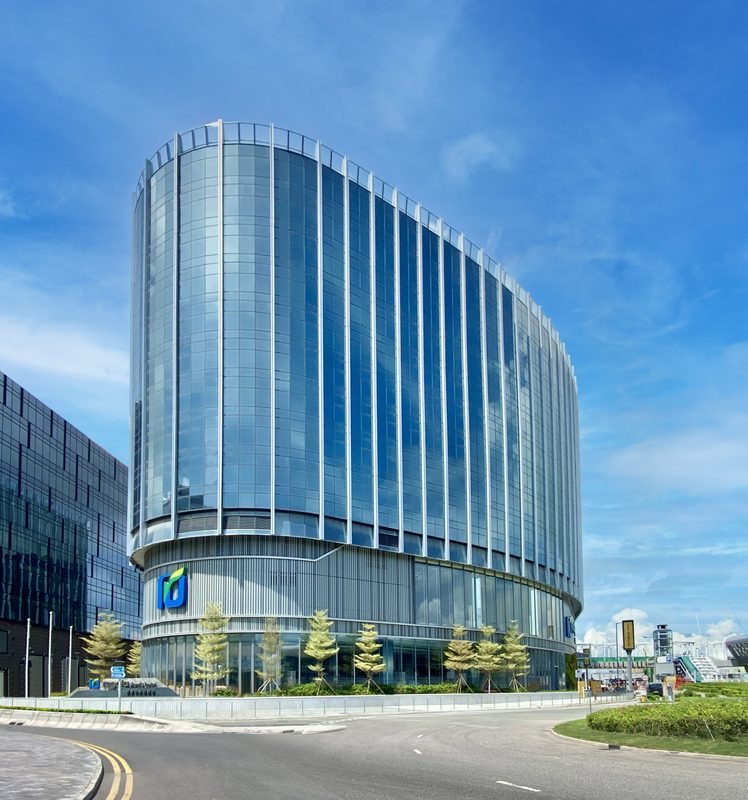
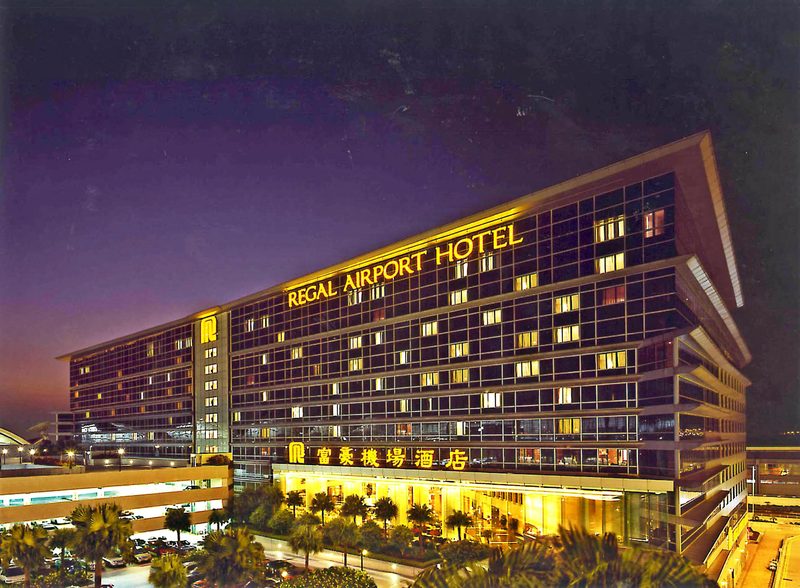
Hand-picked hotels across price tiers for May travellers.
May Events & Festivals
What's happening during your visit
Early May (date varies by lunar calendar)
Buddha's Birthday (Bathing the Buddha Ceremonies)
Buddha's Birthday lands in May. Peace floods Kowloon temples. At 100-year-old Wong Tai Sin or quiet Chi Lin Nunnery, devotees ladle scented water over a baby Buddha statue. The ritual means purification. Incense drifts. Sutras hum. The city noise feels miles away.
Packing Checklist
Bookmark this page — your progress is saved between visits
Need the full list with shopping links?
Climate-specific gear, brand recommendations, and what to leave at home.
View Kowloon Packing List →Essential Tips
Insider knowledge and common pitfalls to avoid
Insider Knowledge
Locals rise early in May. Copy them. Hit Yuen Po Bird Garden or Prince Edward flower market at 7am. You beat the mugginess and the crowds.
Kowloon gives free air-conditioning. When humidity spikes, slip into Elements mall or the Tsim Sha Tsui East underground maze. Walk for kilometres in cool tunnels.
Hunt upstairs cafes and bars in Mong Kok and Sham Shui Po. May means fewer punters. Owners chat. Look for tiny signs and narrow stairs.
Skip the Peak Tram. Grab a minibus or taxi to Kowloon Peak Viewing Point on Fei Ngo Shan Road. The Hong Kong Island skyline at sunset glows. Photographers and couples share the silence.
Avoid These Mistakes
Ignore the 'feels like' warning and you roast. That 27°C (81°F) forecast bakes on the street. Jeans become torture.
Forget cash and you miss lunch. Dai pai dongs, egg waffles, Kowloon City noodles want coins and small notes. No big bills.
Midday heat kills itineraries. Book museums or dim sum for 11am, 3pm. Walk early or late.
Ready to plan your trip to Kowloon?
Now that you've got the research covered, here's where to go next.
Book Experiences in Kowloon
Top-rated things to do in Kowloon this May
Explore More Activities in Kowloon
Didn't see anything interesting yet?
Browse Viator's full catalog of tours, day trips, food experiences, and private guides in Kowloon.
See All Kowloon Tours on Viator